
Vital Nail Brilliance

Legal

Cookie Policy

This policy describes how vitalnailbrilliance.info uses cookies and similar technologies, and how you can control them. It should be read alongside the privacy policy.

What cookies are

Cookies are small text files stored on your device when you visit a website. They allow a site to recognise your browser on later visits, remember preferences, or measure how pages are used. Some cookies are required for the site to function; others are optional.

Two details help when you read a cookie notice anywhere. The first is where the cookie comes from: a file set by the site you are visiting behaves differently from one set by a service running behind it. The second is how long it stays: session cookies clear when you close the browser, while persistent cookies remain until their set expiry date or until you delete them. On vitalnailbrilliance.info, the cookie policy page you are reading covers both kinds, and the sections below separate what the site itself stores from what outside services may place.

A compact walking pad and a folded treadmill in a small Paris apartment living room

Why this matters here

Cookies behind a reading-first site

Vital Nail Brilliance publishes comparisons and buying notes on compact home walking products — walking pads and foldable treadmills suited to small flats and hybrid work days. That work is reading, not sign-in: you can browse the Top 7 ranking, the buying guide and the review method without an account. Cookies on this site are limited to keeping the pages working and, where they are active, counting which pages readers open. None of them are used to build an advertising profile of you as an individual visitor.

Cookies we use

Essential cookies support basic site functions, such as remembering form state while you type a message. Analytics cookies, where used, help us understand which pages readers visit and how long they stay. We do not use cookies to build advertising profiles of individual visitors.

Essential cookies

These keep the site usable. They cover things like holding the contents of the contact form while you type, and helping pages load consistently across a visit. They are set by the site and are not used to follow you to other websites. Blocking them in your browser settings is possible, and the page will still open, but parts of it — typing into the contact form, for example — may behave less smoothly or reset before you finish.
Analytics cookies

Where these are active, they count visits and show which pages readers open and roughly how long they stay, so we can tell whether the ranking pages, the buying guide or the review method is the most useful. The figures are read in aggregate, not attached to a named visitor, and they are never used to build an advertising profile. Declining these cookies does not restrict any content on the site: every ranking, guide and review page stays fully available to read.

Third-party cookies

Some cookies may be set by third-party services that support hosting, analytics, or embedded functionality. These providers have their own cookie and privacy policies. We do not control the cookies they set; you can review and manage them through your browser or the provider's own settings.

What to check in a provider notice

Who sets the cookie
The provider name on the notice should match a service the page actually loads, such as a hosting or measurement tool. If it does not, ask the site before trusting the rest of the list.
What it does
Look for a plain sentence on the purpose: keeping a session open, measuring page views, or showing embedded media. A purpose you cannot restate in your own words is worth refusing.
How long it lasts
Session cookies disappear when the browser closes. Persistent ones carry an end date — check whether it is days, months or longer before you keep them.
Where to opt out
Most providers publish their own control or opt-out page alongside the policy. Your browser settings can also block their cookies before they are stored.

Managing cookies

Most browsers let you view, block, and delete cookies through their settings. You can also set your browser to alert you when a cookie is placed. Blocking essential cookies may affect how the site works. Blocking analytics cookies does not prevent you from reading any content on the site.

Where to look in your browser

The exact wording differs by browser and language, but the path is usually similar: open the settings menu, find the privacy or site-data section, then the list of stored cookies. From there you can search for this domain, read what is stored, and remove individual entries or clear the whole list.

  1. 1

    View what is stored

    Open your browser's cookie or site-data list and look for this domain. Reading the entries first tells you what is actually there before you decide what to remove.

  2. 2

    Delete what you do not want

    Removing a cookie takes effect immediately. If you clear all cookies, you may also be signed out of unrelated sites and lose saved preferences elsewhere, so it helps to remove entries selectively rather than wiping everything.

  3. 3

    Set your browser to block or warn

    Most browsers can refuse third-party cookies outright or prompt you each time one is placed. Warnings are useful on a first visit; a blocking rule is easier once you know which categories you want to keep out.

  4. 4

    Expect some trade-offs

    Blocking everything can reset a form you are part-way through, or stop a helpful preference from being remembered. If something stops working as you expect, allow the essential category first and keep the optional ones off.

Changes to this policy

If the cookies used on this site change, this policy is updated to reflect that. The version published on this page is the current one. Continued use of the site after an update indicates acceptance of the revised policy.

Updates are written in the same plain wording you are reading — no shortened summaries, no separate version numbers to compare. If a change affects how optional cookies work, it appears in the sections above rather than in a footnote. Bookmarking this page is the simplest way to return to the current text rather than relying on an older copy elsewhere.

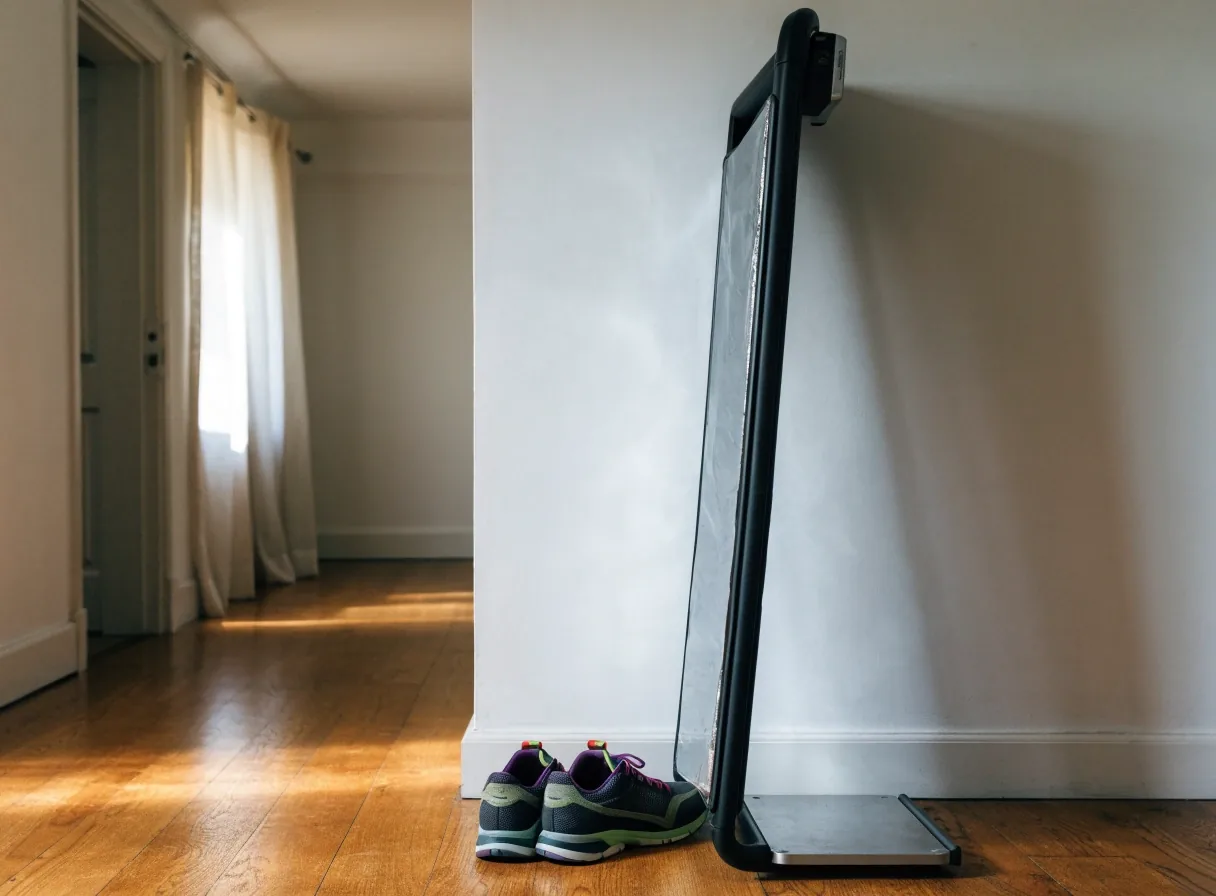
A slim walking pad stored upright against a hallway wall in a Paris apartment

Related pages and how to reach us

This cookie policy sits alongside the rest of the legal pages on vitalnailbrilliance.info. If something here is unclear, or you want to ask about the cookies set on a specific page, write to us during opening hours and we will answer.